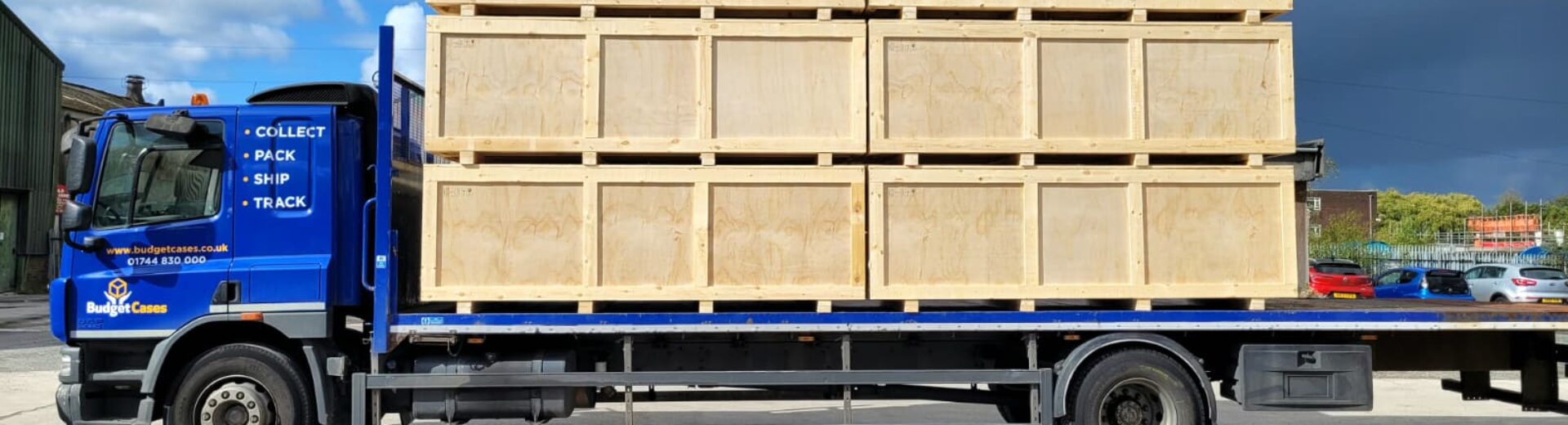
When products leave your premises, they can face considerably more than a simple journey from A to B. Loading, unloading, vibration, movement, stacking, moisture and repeated handling can all increase the risk of damage.
This becomes particularly important when transporting machinery, precision components, manufactured goods or other valuable equipment.
Protective packaging helps reduce these risks by securing and protecting products during storage, handling and transportation. However, the right solution depends on what you’re shipping, where it’s going, and the conditions it may encounter along the way.
In this guide, we explain how protective packaging works, the different options available and what businesses should consider when preparing goods for transport.
What Is Protective Packaging?
Protective packaging refers to materials and packaging systems designed to protect products against damage during handling, storage and transportation.
Rather than simply containing an item, protective packaging considers the risks it could encounter throughout the logistics process.
Depending on the shipment, this can include protection against:
- Impact and accidental knocks
- Movement and vibration
- Compression and stacking
- Dust and contamination
- Moisture and changing environmental conditions
- Repeated loading and unloading
For industrial and export shipments, the solution may combine an external case or crate with internal packaging, restraints and moisture protection.
Therefore, effective packaging should consider the complete journey rather than focusing solely on the outer container.

Why Is Protective Packaging Important?
Damage during transportation can have consequences beyond the cost of replacing the affected product.
A damaged component could delay installation, interrupt production or require a replacement to travel hundreds or thousands of miles. For high-value machinery and specialist equipment, the financial impact can quickly increase.
Effective packaging helps businesses reduce these risks by keeping products secure throughout their journey.
In addition, packaging designed around the product can make handling, loading and storage more efficient. For example, integrated pallet bases can make heavy equipment easier to move, while appropriately sized cases can make better use of available vehicle or container space.
As a result, packaging becomes an important part of the wider logistics process.
What Types of Protective Packaging Are Available?
There isn’t one packaging solution that works for every shipment. Instead, businesses should choose materials and designs according to the size, weight, fragility and destination of their goods.
Wooden Packing Cases
Fully enclosed wooden packing cases provide a high level of external protection. They suit machinery, engineering components and valuable equipment that needs protection against impacts, handling and environmental exposure.
Businesses can also add internal restraints, waterproofing and other features according to the requirements of the shipment.
Wooden Shipping Crates
A wooden shipping crate uses an open or slatted construction rather than completely enclosing the product.
This reduces the amount of material required while still providing a strong protective structure. Therefore, crates often work well for robust machinery, fabricated components and other goods that need support but don’t require complete enclosure.
Plywood Cases
Plywood cases combine lightweight panels with timber battens to provide strength without the weight of a solid timber construction.
Consequently, they can provide an effective option when freight weight is an important consideration.
Budget Cases can manufacture plywood cases to exact dimensions and incorporate features such as foam inserts, integrated pallets, handles and protective linings.
OSB Cases
OSB cases provide a strong and cost-effective option for large, heavy or bulky goods.
Their reinforced construction makes them suitable for demanding industrial applications, while bespoke dimensions help businesses avoid unnecessary packaging space.
Pallets and Skid Bases
Not every product needs a completely enclosed case.
Heavy machinery and industrial equipment may use a bespoke pallet or skid base to provide a stable foundation for lifting, handling and transportation. Additional protective materials can then secure or cover the equipment where necessary.
What Does Internal Protective Packaging Do?
The outer case or crate provides structural protection, but the packaging inside can be equally important.
Internal packaging helps prevent products from moving or making contact with the outer structure during transit.
Depending on the goods, this may include foam inserts, collars, cuffs, cushioning materials, restraints or other bespoke supports.
For example, precision equipment may require carefully positioned foam to protect vulnerable areas. In comparison, heavy machinery may need strong restraints that prevent movement during loading and transportation.
The best approach starts with the product itself and builds the packaging around its specific vulnerabilities.
How Can Packaging Protect Goods Against Moisture?
Moisture can become a significant concern when goods spend extended periods in storage or travel internationally by sea.
Therefore, some shipments require more than physical impact protection.
Depending on the product and journey, additional protection can include waterproof materials or foil barrier linings. These features help create an additional barrier between sensitive equipment and the surrounding environment.
This can prove particularly valuable for machinery, electronics and metal components where exposure to moisture could affect the condition of the goods.
What Protective Packaging Is Required for Export?
International shipments can introduce additional requirements, particularly when businesses use solid timber packaging.
ISPM 15 sets phytosanitary requirements for wood packaging material used in international trade. Where applicable, businesses need to ensure their timber packaging meets these requirements.
Budget Cases uses ISPM 15-compliant heat-treated timber for relevant export packaging and holds registration number FC0727.
However, export requirements can vary depending on the shipment and destination. Therefore, businesses should consider both packaging regulations and the wider requirements that apply to their goods before shipping.
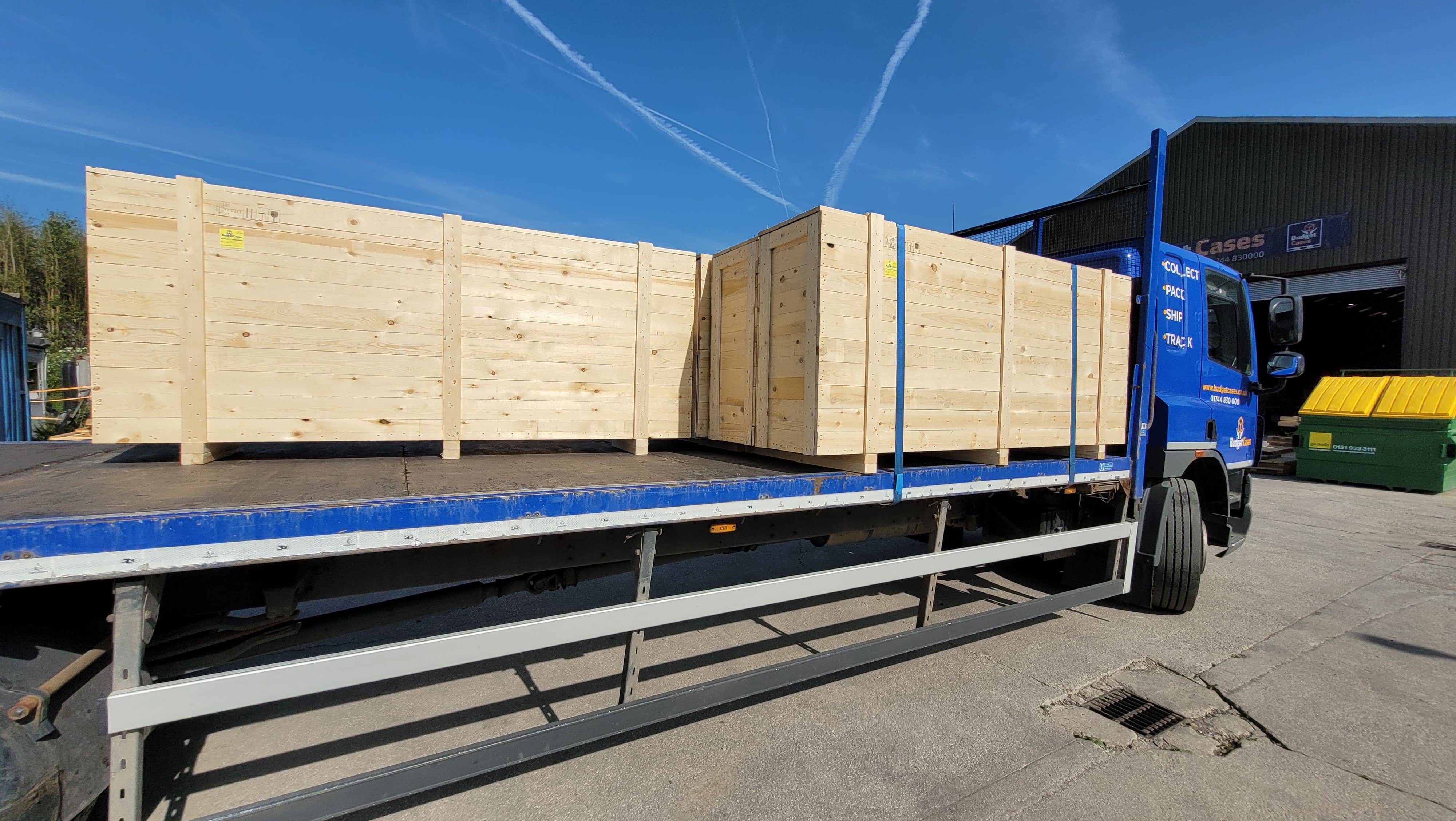
How Do You Choose the Right Protective Packaging?
Choosing the right packaging starts with understanding the complete shipment.
Before designing a solution, consider:
- What are the dimensions and weight of the product?
- How fragile or valuable is it?
- Does it contain vulnerable components?
- How will teams lift and handle it?
- Will it travel by road, sea or air?
- How long will it remain in transit or storage?
- Will it face moisture or changing environmental conditions?
- Does the destination introduce specific packaging requirements?
For complex industrial goods, bespoke packaging often provides a better solution than choosing a standard container and trying to make the product fit.
Can Bespoke Packaging Reduce Shipping Costs?
Protective packaging isn’t only about adding more material. In fact, good packaging design can help eliminate unnecessary material and wasted space.
A case manufactured to the dimensions of the product can reduce the overall footprint of a shipment. Similarly, choosing plywood or a slatted crate instead of a heavier construction may reduce weight when the product doesn’t require maximum enclosure.
Therefore, the most cost-effective solution isn’t necessarily the cheapest case. Businesses should consider protection, freight weight, space, handling and the potential cost of damage together.
Protective Packaging for Industrial and Export Shipments
Budget Cases designs and manufactures bespoke packaging for businesses transporting everything from individual components to heavy industrial machinery.
With more than 20 years of experience, our team can assess the product, destination and handling requirements before recommending an appropriate solution.
In addition to manufacturing cases, crates, pallets and other packaging, we provide in-house and on-site export packing, secure storage, heavy lift packing, container loading and UK and international freight support.
Speak to Budget Cases About Your Packaging Requirements
The right protective packaging should match the product and its journey.
Whether you need a lightweight plywood case, heavy-duty timber packing case, shipping crate or a completely bespoke solution, Budget Cases can help you determine the most appropriate approach.
Contact our team to discuss your shipment and receive advice on protecting your goods during storage, handling and transportation.