
From warehouse storage to international freight, pallets play an important role in moving goods efficiently through the supply chain.
Palletising groups goods onto a stable base allows forklifts, pallet trucks, and other handling equipment to move them more efficiently, instead of handling multiple products individually.
However, successful palletising involves more than just placing goods on a pallet. Weight distribution, stability, product protection and the method of transportation all influence how to prepare a load.
What Is Palletising?
Palletising is the process of arranging and securing goods onto a pallet or similar base to create a single load for handling, storage or transportation.
Once secured, teams can move the entire load using equipment such as a forklift or pallet truck rather than handling each item separately.
Businesses use palletised loads throughout manufacturing, warehousing, distribution and international shipping because they can simplify handling and help protect products throughout their journey.
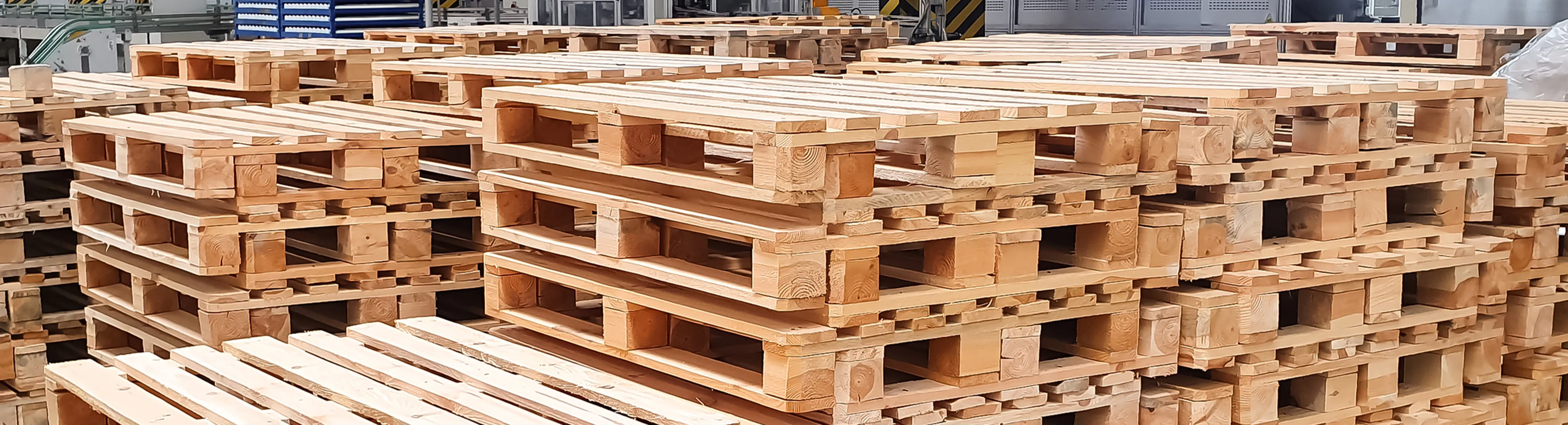
How Does Palletising Work?
The exact process depends on the products that you transport.
Generally, the process starts by selecting a pallet or base that can safely accommodate the size and weight of the goods. The products then need to sit in a stable arrangement that distributes weight appropriately across the base.
Next, suitable packaging and restraints secure the products to reduce movement during handling and transportation.
For some shipments, the process may involve relatively straightforward wrapping and securing. Heavy machinery, oversized equipment and unusually shaped products may require a bespoke pallet, machine base or skid unit instead.
Therefore, the product should determine the palletising method, not the other way around.
Why Is Palletising Important for Shipping?
Palletising can improve several stages of the logistics process.
More Efficient Handling
A pallet turns multiple items into a single unit that material-handling equipment can move.
This can reduce individual handling and make loading and unloading more efficient, particularly when businesses transport larger quantities of goods.
Improved Load Stability
Correctly arranged and secured products are less likely to move independently during transport.
Stable loads can reduce the risk of products falling, shifting or colliding with one another during handling.
Better Product Protection
Palletising creates a stable foundation for a shipment and keeps products away from direct contact with warehouse and vehicle floors.
Businesses can then combine the pallet with additional packaging to provide the appropriate level of protection for the goods.
Easier Storage
Warehouses commonly design racking, handling equipment and storage processes around palletised goods.
As a result, properly prepared pallets can make products easier to move, position and store until they’re ready for dispatch.
More Efficient Loading
Consistent, stable loads can also help businesses use available vehicle and container space more effectively.
However, dimensions matter. Oversized or poorly designed loads can waste space, which is why bespoke palletising can provide an advantage for unusual industrial products.
What Products Can Be Palletised?
Businesses can palletise a huge variety of goods, from boxes of individual products to large industrial equipment.
Common examples include:
- Manufacturing components
- Engineering equipment
- Machinery and machine parts
- Construction materials
- Packaged commercial goods
- Automotive components
- Industrial equipment
- Export consignments
The size and weight of the product will determine whether a standard pallet provides enough support or whether the shipment requires a bespoke base.
When Do You Need a Bespoke Pallet or Skid?
Standard pallets work well for many goods, but industrial products don’t always fit standard dimensions.
Heavy machinery, oversized components and equipment with unusual weight distribution can require a base manufactured specifically for the load.
A bespoke pallet or skid can account for:
- Exact product dimensions
- Overall weight
- Weight distribution
- Lifting points
- Forklift access
- Loading requirements
- Transport method
Consequently, businesses can create a safer and more efficient handling solution without trying to adapt a product to a standard pallet.
What Is the Difference Between a Pallet and a Skid?
Although people sometimes use the terms interchangeably, pallets and skids can have different constructions.
A pallet typically includes a top and bottom deck, creating a stable platform that works well for handling and storage.
A skid generally uses a simpler base construction and can provide a practical foundation for heavy machinery or industrial equipment.
However, the exact design can vary according to the application. For specialist shipments, the important consideration is whether the base provides sufficient strength, stability and access for the required handling equipment.
How Do You Secure Goods to a Pallet?
The correct method depends on the size, weight and fragility of the products.
Businesses may use wrapping, protective materials, restraints or bespoke supports to prevent goods from moving during transport.
The aim isn’t simply to keep the load attached to the pallet. Instead, the complete packaging system should protect the products against the movement and handling they can reasonably encounter throughout their journey.
For heavy or valuable equipment, professional packing can help determine the most suitable combination of pallet, restraints and external protection.
Does Palletised Freight Need Additional Packaging?
In many cases, yes.
A pallet provides a stable base but doesn’t necessarily protect goods from impact, moisture, dust or environmental exposure.
Depending on the shipment, businesses may combine palletising with:
- Protective wrapping
- Wooden packing cases
- Plywood or OSB cases
- Wooden shipping crates
- Internal cushioning
- Moisture protection
For example, a piece of machinery may sit on a heavy-duty pallet base before an enclosed timber case provides additional protection around it.
Therefore, palletising often forms one part of a wider protective packaging solution.
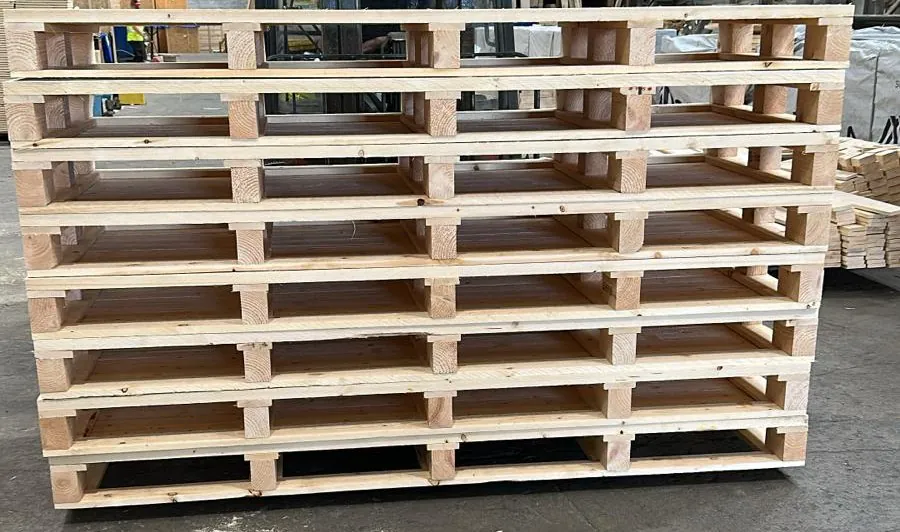
Do Pallets Need to Meet ISPM 15 Requirements?
Solid wood packaging material used for international trade may need to meet ISPM 15 requirements, depending on the destination and application.
The standard covers certain wood packaging materials used in international trade, including pallets, crates and cases.
Budget Cases uses ISPM 15-compliant heat-treated timber for relevant export packaging. This helps businesses meet applicable phytosanitary requirements when transporting goods internationally.
Can Palletising Help Reduce Shipping Costs?
Effective palletising can make shipping more efficient.
For example, grouping goods into stable loads can simplify handling and loading. Meanwhile, designing pallets around unusual products can help avoid unnecessarily large bases that consume valuable freight space.
However, businesses shouldn’t reduce pallet size or materials at the expense of stability and protection.
Instead, the aim should be to create a packaging solution that balances strength, dimensions, weight, and transport efficiency.
Professional Palletising for Industrial and Export Goods
Budget Cases provides palletising as part of its wider packing and logistics service.
Whether you’re transporting individual components, heavy machinery or a larger export consignment, our team can create a solution around the size, weight and handling requirements of your goods.
Our capabilities include bespoke pallets and machine bases, in-house and on-site packing, heavy lift packing, container loading, secure storage and UK or international freight support.
Need Help Preparing Goods for Shipping?
Correct palletising makes goods easier to handle, store and transport, while also providing a stable foundation for additional protective packaging.
If you’re preparing machinery, industrial equipment or other goods for UK or international transport, speak to Budget Cases. Our team can assess your requirements and recommend an appropriate pallet, skid, case or complete export packing solution.